
What if we made our devices last longer?
We all have that drawer at home. The one holding three old phones, two twisted chargers, an ADSL box from before fiber, and that remote that doesn’t know what it’s supposed to turn on anymore. These objects tell a simple story: in tech, everything moves fast, too fast. So fast that we forget the cost of each device, not just on our wallets, but on the planet, in materials, energy, and CO₂.
According to a study published by the French Agency for Ecological Transition (ADEME) and the Communications Regulator (Arcep), in France alone, 62.5 million metric tons of resources are used each year to produce and use digital equipment. User devices—computers, smartphones, tablets, and the like—make up 65 to 90% of the environmental impact, with roughly 78% linked to manufacturing, and only 21% to usage.
Those numbers highlight why extending the life of devices is key. The question is simple: how do we make sure every new gadget doesn’t come with a spike in emissions? The answer, in part, is two words: circular economy.
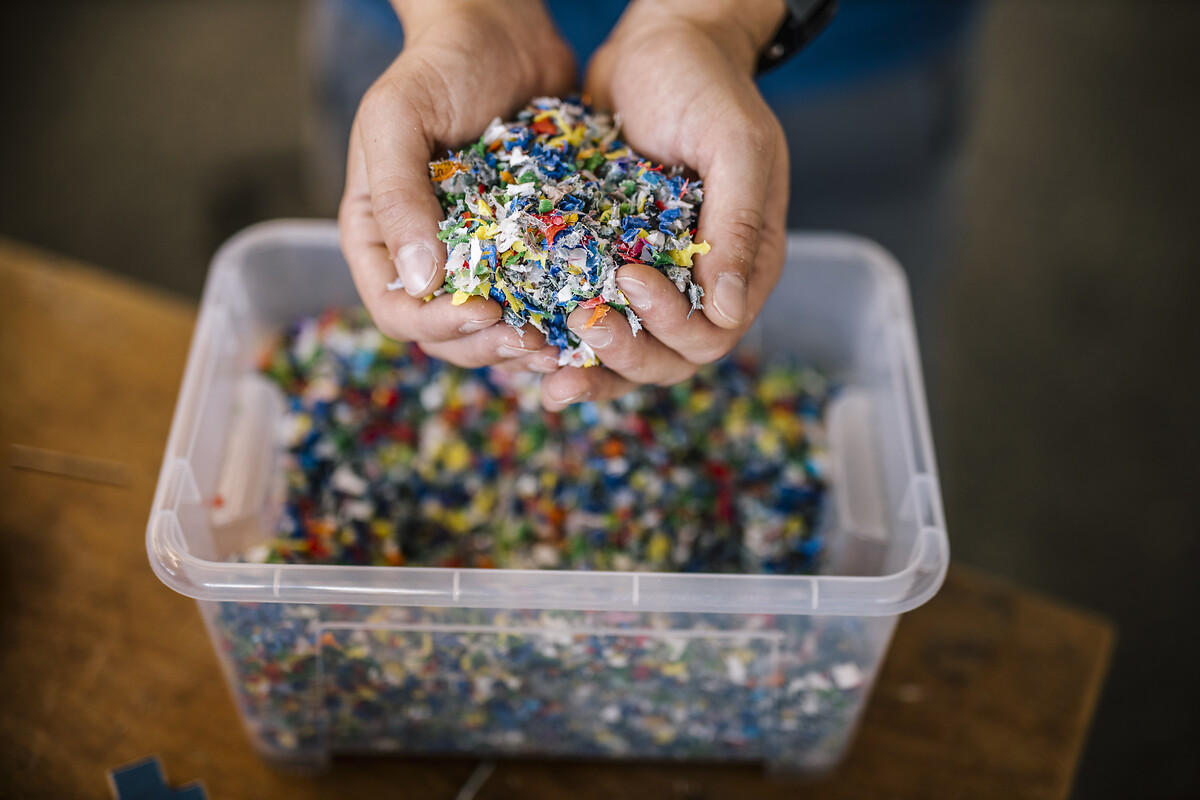
Collect, reuse, recycle
According to Ecologic, a state-approved organization managing the French recycling system for electronics, the average first-use lifespan of a device is 3 years and 7 months, with most upgrades happening between 2 and 4 years. The result? Globally, around 5 billion phones end up in the trash each year, according to a 2022 WEEE report That’s a mountain of waste that the circular economy tries to tackle on several fronts.
First, collection, to make sure used devices don’t become untreated waste. Then reuse, to refurbish devices that still work, with or without repairs. Recycling, of course, recovers and reuses materials when a device can’t be saved. And upstream, eco-design ensures devices are modular, repairable, and efficient right from the start.
The impact is tangible: according to Ademe, a refurbished phone can emit up to 87% less CO₂ than a new one. For a business, extending the life of a device from 24 to 36 months can cut its carbon footprint by 40%, all without sacrificing performance or the customer experience. Circularity isn’t slowing innovation, it’s adding value.
Our flagship program, “Re”
At Orange, we’ve tackled this challenge head-on, and our commitment to the circular economy isn’t new. In France, we’ve had voluntary phone take-back programs since 2003. Nearly 2,000 municipalities already have a collection point managed by our teams. Once full, these are sent to Ateliers du Bocage, our partner and member of the Emmaüs movement. Working phones are refurbished, and the rest are recycled. Since 2010, we’ve collected more than 7 million mobiles and recycled nearly 309 metric tons of waste.
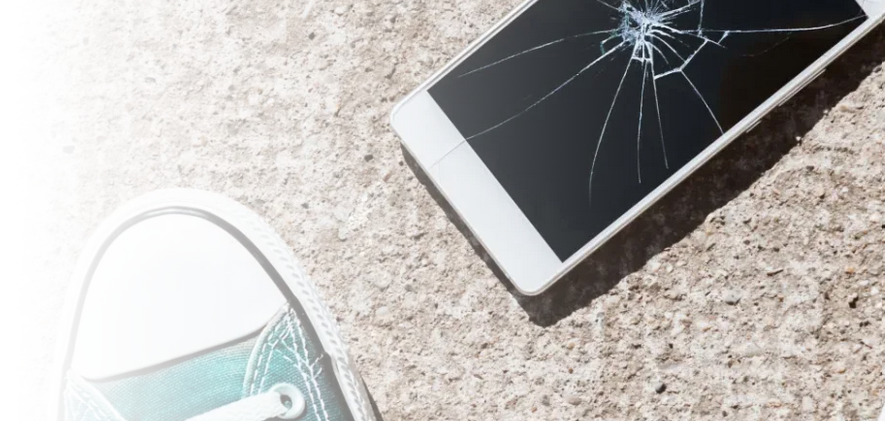
In 2020, we brought it all together under the “Re” program, giving the initiative a fresh push with two major updates: refurbished phones are now sold in Orange stores, not just online, and dedicated “Re” spaces in smart stores let visitors drop off old phones and learn about all recycling, take-back, and refurbished device options. The program spans all countries where we operate.
In 2024 alone, five countries in Africa and the Middle East collected 284,000 phones via this initiative. We also recovered 172,000 routers, 115,000 of which were refurbished for reuse. The result? 2,800 tons of CO₂ avoided; the equivalent of driving around Africa 150 times!
Un cercle vertueux
And we’re not stopping there. When it comes to sustainable digital practices, the best step is minimizing environmental impact from the start. At Orange Business, all offerings are designed with eco-design in mind. Life cycle analysis, impact measurement—our motto is less emissions, more efficiency. Take Circular Mobility for example, a full-service solution for businesses where every step of a mobile device’s lifecycle is optimized. From manufacturing to logistics, usage, and reuse, it reduces a phone’s carbon footprint by 26% to 40%. The goal isn’t to give up technology, but to make it last and use it smarter.
More than ever, producing and consuming sustainably is a strategic challenge, and Orange’s CSR policy sits at the heart of this. Orange Business works across the Group to ensure that by 2025, 30% of mobile phones sold are collected for reuse or recycling. We aim to support the circular economy through eco-design, collection, refurbishment, repair, recycling, and extending the overall life of our products.

In 2025, we even launched a used-phone collection challenge with the Association of Mayors of France (AMF) called Collect’ mobile, un geste pour ma ville to promote recycling and raise awareness about e-waste while encouraging responsible habits. All of this shows that the circular economy is fully embedded in our climate strategy.
At Orange, we’re convinced a more sustainable digital world is possible, starting right under our noses, in that phone we chose not to throw away, the router we recycle, and the service we build to last. Making things last is already a way of repairing: repairing our habits, our relationship with technology, and our future. Circularity is a lever we can all pull together.


